

Family-Friendly Farms
FARMS YOU CAN VISIT TO MEET ANIMALS
A farm visit offers space for kids to run around and explore a new sensory-rich environment. On rolling pastures and in barns, kids can feed, pet, and interact with farm animals up close and hands-on. Experiencing first-hand where their food comes from can give kids new perspective on what’s on their plates. When it comes to things to do in Vermont, farm visits make for a natural classroom where families can experience milking cows, petting animals, and learning more about working farms.
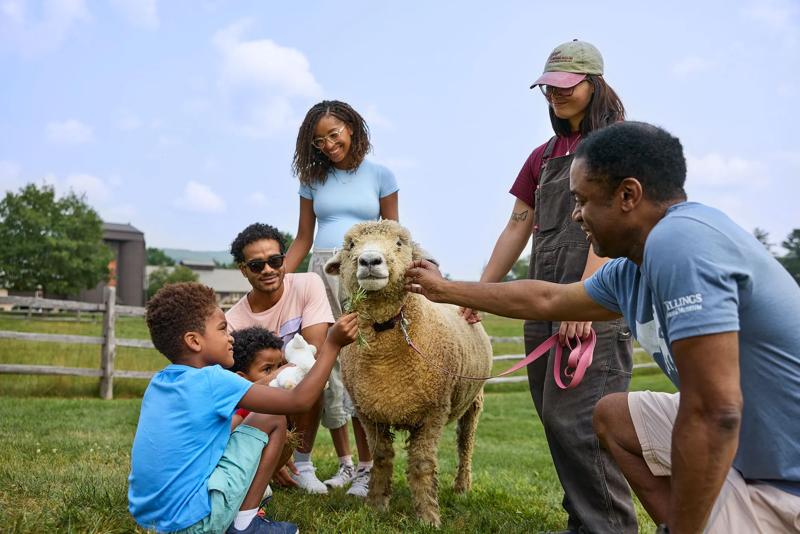
Billings Farm & Museum
Woodstock, VT
Established in 1871 by Frederick Billings to explore new farming practices and teach farmers how to use them, Billings Farm is a place where education meets agriculture. The farm is known for its herd of Jersey cows and their creamy milk, which is turned into Woodstock Reserve, Smoked, and Buttered Cheddar cheeses, available along with other Vermont farm products at the farm store. The popular Farmhouse Scoop Shop is open from Memorial Day weekend through October, serving Vermont-made ice cream, floats, sundaes, snacks, and Billings Farm cheese, with picnic tables and open lawns available for bring-your-own picnics.
At permanent exhibitions, you can walk into a rural farmhouse circa 1890 or learn about how farmers planted crops and fed livestock at the turn of the 20th century. Educational programming shifts throughout the year, from meeting baby animals to sheep shearing, an annual sunflower house, and a winter celebration with 19th-century Victorian holiday decor and activities. Billings Farm also offers horse-drawn rides pulled by a sleigh in the winter and by wagon in the warmer months.
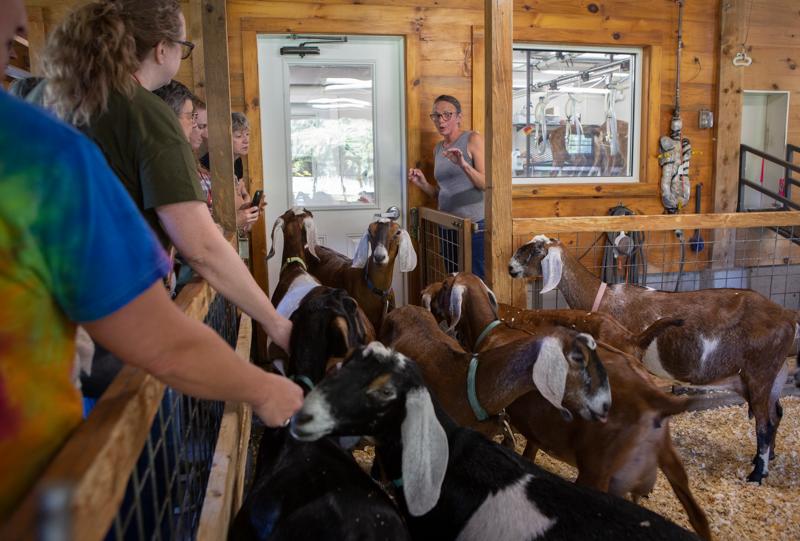
Hildene Farm
Manchester, VT
In 1902, Robert Todd Lincoln, the only child of Abraham Lincoln and Mary Todd Lincoln to survive to adulthood, purchased an active dairy farm and began building the summer home he would call Hildene. Opened to the public in 1978, Hildene, The Lincoln Family Home, preserves this legacy as a 412-acre historic estate.
Hildene Farm is helping protect Randall cattle, an endangered heritage breed used for milk, beef, and draft work, with fewer than 1,000 left nationwide. Other animals at the farm include alpacas, sheep, Nubian goats, chickens, and ducks.
Visitors can take a self-guided tour, strolling the property at their leisure, or opt for a guided tour, receiving historic details along the way. In the spring, plan to see sheep shearing, the formal garden, or learn about heirloom peonies. The summer brings 300 varieties of trees and flowering bushes at their peak. Fall activities include hay rides and the annual harvest fest, and in winter, you can enjoy cross-country skiing, snowshoeing, and holiday traditions dating back to 1912.
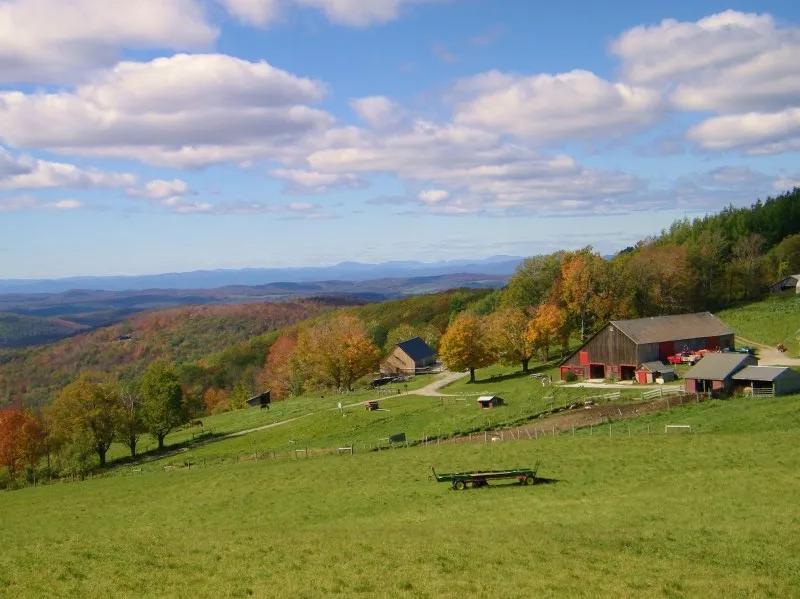
Merck Forest & Farmland Center
Rupert, VT
Merck Forest & Farmland Center was instituted when George Merck, a private landowner yearned to restore a previously deforested landscape. In 1950, the Mercks donated 2,600 acres to create the Vermont Forest Foundation, which evolved into today’s Merck Forest & Farmland Center. The center blends farming and forestry on over 3,600 acres.
Many of the animals you’ll see here have historical significance to the state, including Romney sheep, Oberhasli goats, and Suffolk Punch draft horses. Seasonal workshops and events include maple education at the farm sugarhouse, winter animal tracking, feeding the animals, full moon hikes, a gardening club, fall wagon rides, and more.
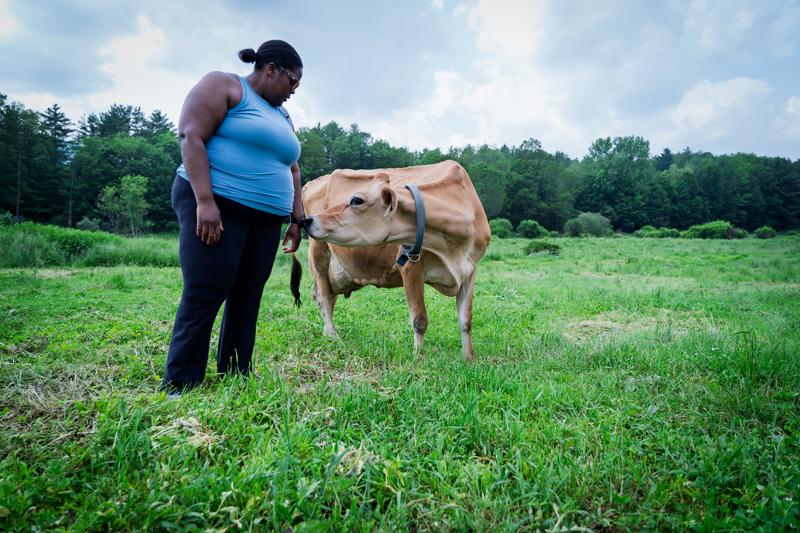
North Meadow Farm
Manchester, VT
North Meadow Farm is a small family-run dairy farm known for cheesemaking and a passion for caring for rescue animals. You can see the herd of approximately 50 animals, which includes Jersey, Guernsey, and Holstein cows along with rabbits and goats, many of which have been rehabilitated on the farm.
Self-guided or guided tours are available, and many of the animals can be picked up, fed, and petted. Many of the animals have names, and farm staff and owners often share how they ended up at the farm.
Cheesemaking is a big part of the daily operation, and you’ll have the opportunity to see the creamery and cheese-aging cave if you choose a guided tour.
A playground near the petting farm adds more fun for kids. There is also a farm store on site with cheese, raw milk, eggs, maple syrup, and more.
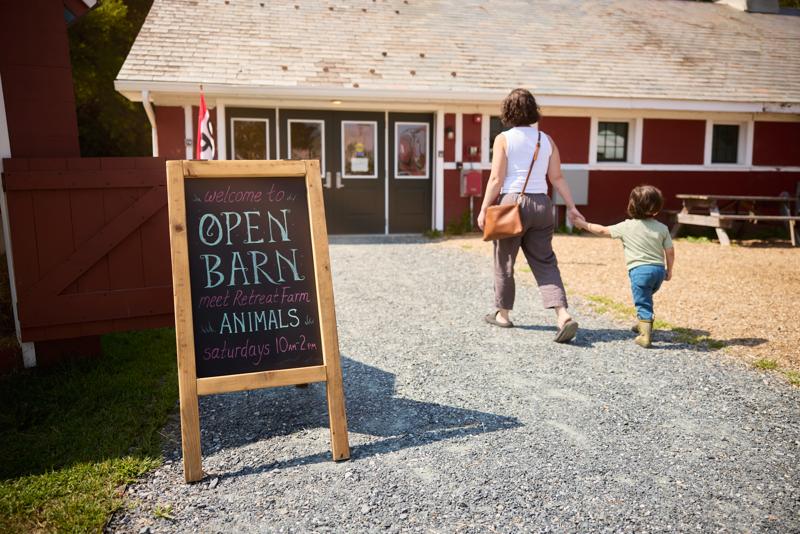
Retreat Farm
Brattleboro, VT
Retreat Farm’s barn offerings widen on weekends, when staff supervise visitors as they interact with animals like Cortland and McIntosh, a pair of working oxen. Their signature annual events include the weekly Food Truck Roundup with live music on Thursday evenings in the summer, the annual Family Farm Day in the fall, and the Music in the North Barn winter concert series. There is also an on-site farm market with products from regional farmers and makers.
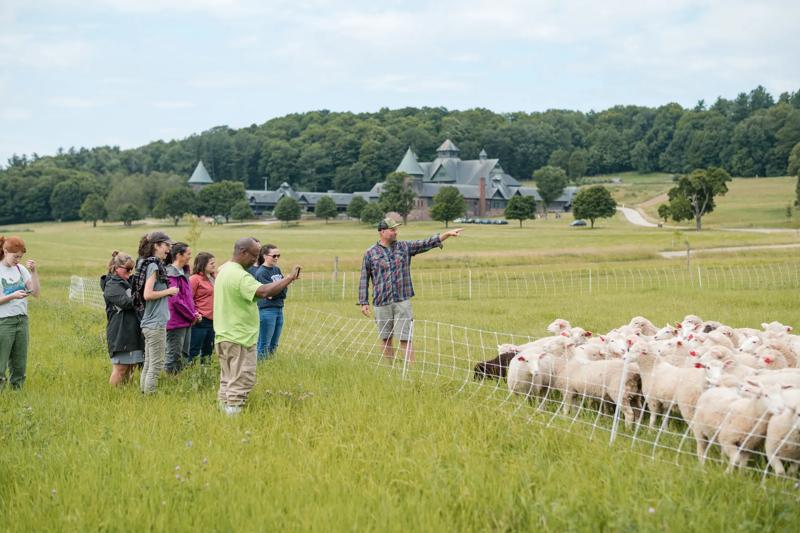
Shelburne Farms
Shelburne, VT
Shelburne Farms spans 1,400 acres along the shores of Lake Champlain. The nonprofit working farm focuses on education, sustainable farming practices, and connecting people to agriculture through hands-on experiences.
You can take the ¾-mile farm trail by foot or hop on a wagon ride to the children’s farmyard (open mid-May to mid-October). There, the whole family can get hands-on, by grooming an Angora rabbit, bottle-feeding a calf, or milking one of the Brown Swiss cows, a breed known for its calm nature and rich milk used to make the farm’s cheddar cheese.
There are over 10 miles of surrounding paths that connect the farm’s fields and buildings, including a StoryWalk from the children’s farmyard. Before you go, peek into the cheesemaking facility to see cheese being made, follow the scent of freshly baked bread to O Bread Bakery, and stop at the Farm Store and Welcome Center on your way out for provisions direct from the farm and local producers.
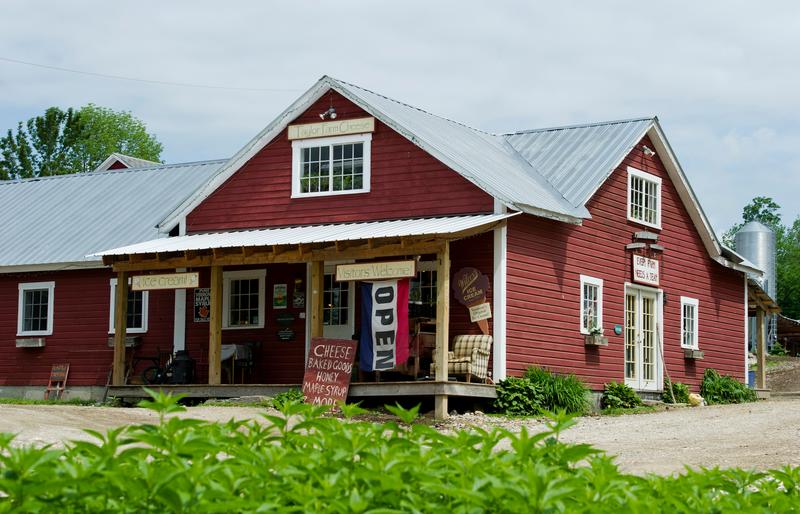
Taylor Farm
Londonderry, VT
Taylor Farm is a multigenerational family farm that originally began in 1840. Over the years, it evolved from cheesemaking to maple syrup production and sells farm products from across the state at their farm store.
There’s an eclectic mix of animals that you can visit while at the farm, including a mixed herd of Jersey, Brown Swiss, and Ridgeback cows, and a Scottish Highlander.
Wagon rides are offered year-round, and picnicking is encouraged. When there is snow, the farm transitions to sleigh rides in winter with wool blankets and a ride to a warming hut. Wagon and sleigh rides are bookable by appointment.
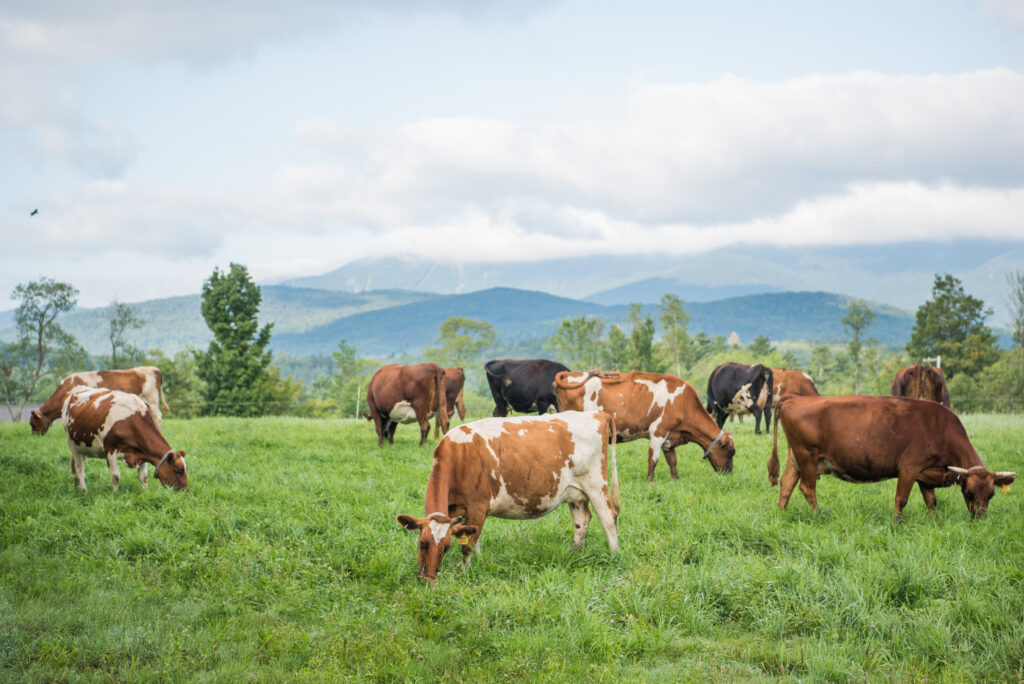
von Trapp Family Lodge & Resort
Stowe, VT
Set on more than 2,600 acres, von Trapp Family Lodge & Resort includes a working farm that was purchased by the von Trapp family after they settled in Vermont in the 1940s. The family, known for their portrayal in the movie The Sound of Music, arrived in Stowe after fleeing Austria during World War II and chose the location because the land reminded them of their home in Salzburg. Before it became a resort, the farm was used by the von Trapp family to feed their houseguests.
Today, the farm is a local source of beef, eggs, maple, flowers, and more for the resort. You can explore the farm walking trails on your own with a property pass or join one of several guided tours on topics like Scottish Highland beef cattle, part of the farm since the von Trapp family introduced them in the 1960s. Or take a guided hike with two Nigerian Dwarf goats up to the historic stone chapel.
APPOINTMENT-ONLY FARMS WITH ANIMALS
(ADVANCE PLANNING REQUIRED)
These farms offer similar opportunities for hands-on experiences, but access is by appointment only, allowing for small group or private experiences. Please book online or contact the farm directly to book a visit.
Alpaca Walk Experience
Andover, VT
At Alpaca Walk Experience, visits are structured as timed, small-group walks, where each guest is paired with an alpaca on a lead. Walks typically run 60 to 90 minutes and follow a set path through the property, with stops for hand feeding and photos. Alpacas are introduced by name before the walk, and the farm will explain how they communicate and respond to people while you’re walking alongside them.
Breezy Acres Farm
Montgomery, VT
Breezy Acres Farm is a 210-acre family-run pork and beef operation that transitioned to producing pasture-raised meats after decades of dairy farming. A visit includes time in the pasture and barn areas, where you can see how the Hereford and Angus beef cows, along with five breeds of pigs, are cared for.
The farm breeds animals, and so there is a good chance you might see calves or piglets. They also focus on the benefits of pasture-raised livestock, and tours often include a look at fencing systems, feeding setups, and the rotation of animals through different areas of the farm.
As part of your visit, you can stop by the on-site farm store, which sells cuts of pork and beef along with raw freeze-dried dog treats.
Champlain Valley Alpacas
Bridport, VT
Champlain Valley Alpacas is an 80-acre family-run farm with 60 alpacas, set against the backdrop of the Adirondack Mountains. Farm tours center on alpacas and fiber production, with opportunities to pet and feed the alpacas in the pasture and barns. The farm also has chickens and a herd of Angus and Hereford beef cows.
You’ll learn how animals are pastured and how fleece is used after shearing. You can shop at the farm store for an assortment of alpaca products, like scarves, socks, and blankets.
Green Mountain Girls Farm
Northfield, VT
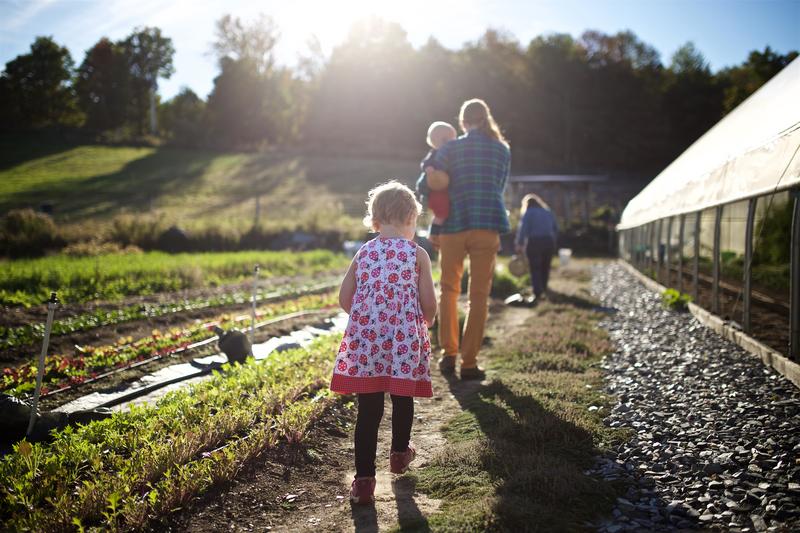
Green Mountain Girls Farm was established in 2007, as the two founders switched from careers in environmental nonprofits to sustainable farming with a focus on agritourism. Vegetable fields and livestock are managed side by side, and farm tours are designed to immerse people in daily chores.
Depending on the timing of your visit, you may be invited to pick produce from the fields or help to feed the livestock. Tours typically take you between garden beds and pasture, where you might see pigs rooting in wooded areas, chickens moving through mobile coops, and crops like tomatoes, squash, and herbs growing nearby.
At certain times of year, you can book a Farmer Lunch, where you’ll sit down to a meal made from the farm’s ingredients and talk through how the food was grown and raised with the owners. The farm store includes produce, preserved goods, and meats from the farm and is open mid-May through Thanksgiving.
Liberty Hill Farm
Rochester, VT
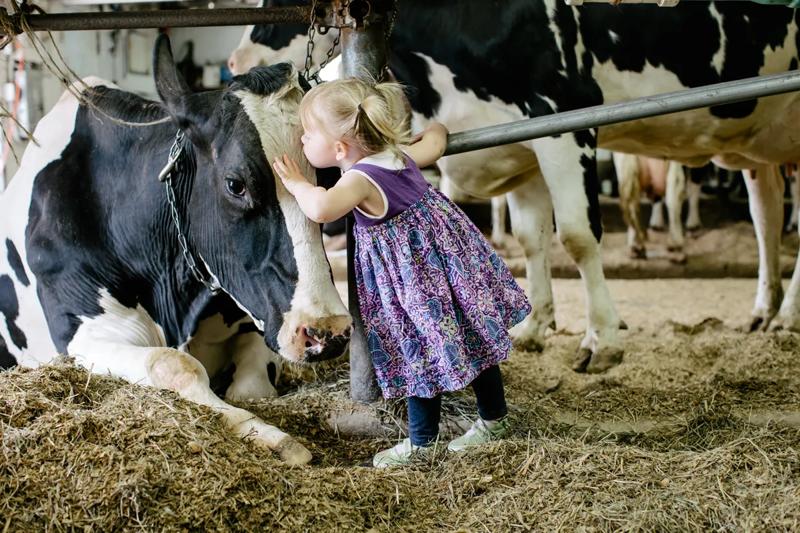
Liberty Hill Farm welcomes guests to its multigenerational 250-year-old dairy farm and inn, well known for its historic red barns and farmhouse. Through guided tours with the farm family, you can meet more than 100 Holstein cows that produce the milk used to make award-winning Cabot Creamery Cooperative dairy products.
Tours start at 9 a.m., run for two hours, and follow the daily chore schedules. You can watch milking routines, milk a cow yourself, bottle-feed calves, and feed cows hay.
Lilac Ridge Farm
Brattleboro, VT
At Lilac Ridge Farm, you can visit a fourth-generation, certified organic dairy and diversified farm set on 600 acres. The land is conserved through the Vermont Land Trust, and over the years has evolved to include maple syrup, beef, flowers, and more.
Tours by reservation take place around the barn and surrounding fields, where you can see cows being milked and learn how organic milk is handled before it leaves the farm. In the late winter and early spring, you may be able to see sap from the farm’s maple trees boiled over a wood-fired evaporator to be made into maple syrup.
You can stop at the seasonal farmstand for organic vegetables, flowers, grass-fed beef, maple syrup, and maple creemees.
Meadowbrook Acres Farm
Milton, VT
Meadowbrook Acres is a third-generation dairy farm that produces milk for Dairy Farmers of America Cooperative and also makes organic maple syrup on over 600 acres of land adjacent to Lake Champlain.
Tours begin in the dairy barns, where you can see how the 200 cows are housed, fed, and moved through the barns as they are raised. Depending on timing, you may see cows in the pasture or going through the milking parlor.
In late winter and early spring, visits may include the sugarhouse, where sap from the farm’s 6,000 maple trees is boiled and reduced into syrup. As part of your visit, you can purchase maple syrup and maple cream year-round.
The Miniature Farm
Milton, VT
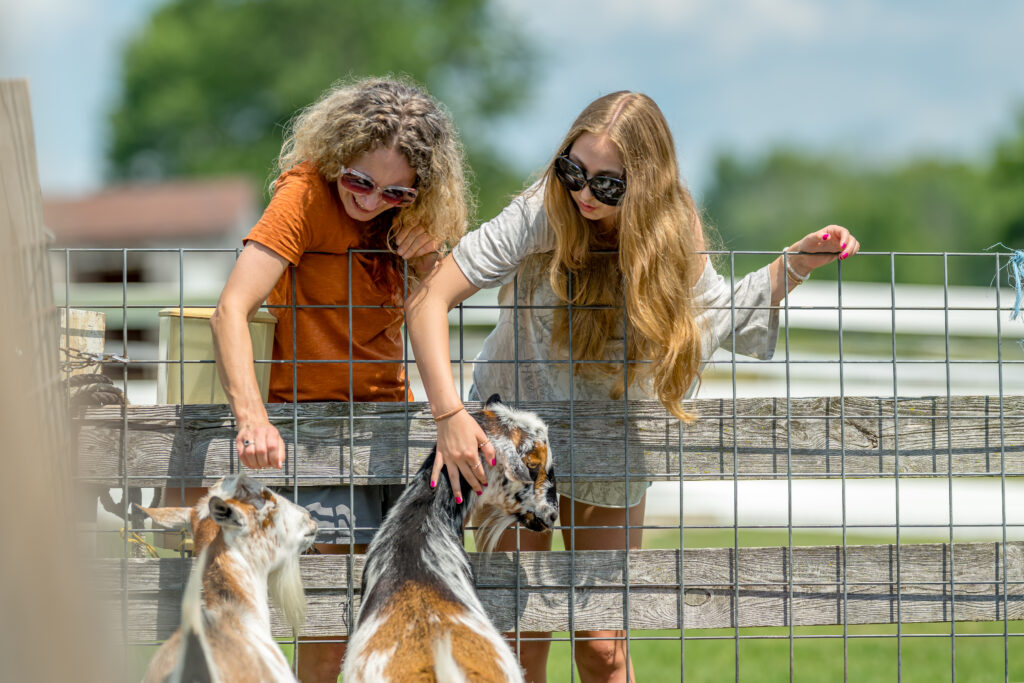
At The Miniature Farm, you can take a self-guided walk, bookable by email or phone, through fenced areas where smaller-scale animals, like miniature horses and goats, roam free. You can bring carrots or other vegetables to feed them along the fence lines or quarters to purchase feed at the farm.
The farm intentionally keeps small animals, like pygmy sheep and bantam chickens, which is part of the draw for younger visitors.
In winter, animals are moved into warmer indoor spaces, so outdoor viewing may be limited. It’s best to check ahead before planning a visit during colder months.
Wing and a Prayer Farm
Shaftsbury, VT
Wing and a Prayer Farm is home to Vermont’s first purebred Valais Blacknose sheep, among the first in North America. The sheep are known for their black facial and body markings and their dense fleece, which is used in fiber products and in workshops on the farm.
You can see the sheep in the pasture and barns, and learn how the flock is managed, including breeding, lambing, shearing, and how fleece is sorted and prepared to be made into yarn and other wool products. The farm also includes a merry cast of characters, including alpacas and cashmere goats, and chickens.
Workshops are held at the farm and focus on hands-on skills such as natural dyeing, spinning, soapmaking, and garment construction.
The farm store and apothecary offers items made from the animals on the farm, including yarn, roving, wool bedding, soaps, and finished garments.
Tips for Visiting Vermont Farms
- Check hours and seasonal availability and make reservations if required.
- Generally, plan for at least two hours at the farm. Farm visits are all about curiosity and slow exploration.
- Wear sturdy, closed-toe shoes. Many farms have uneven ground.
- Consider waterproof shoes, especially in spring when it can be muddy. Some farms may have a shoe-washing area for you to wash your shoes upon entry and exit to prevent the spread of bacteria.
- Be sure to ask the farm if you’re allowed to pet the animals and wash or sanitize your hands before and after touching animals.
- Follow the posted guidelines around animals.
Vermont Farms with Animals That You Can Visit
Find a farm near you and map out a visit. Choose one or several to create your own adventure.