

Vermont Seasons
SIX(ISH) SEASONS
Weather is never definitive in Vermont, which is why it doesn’t do nature by halves or by four seasons. Depending on who you ask, we have six: spring, summer, fall, winter, plus the beloved maple season and stick season. Don’t like the weather? Wait five minutes and the next season will arrive.
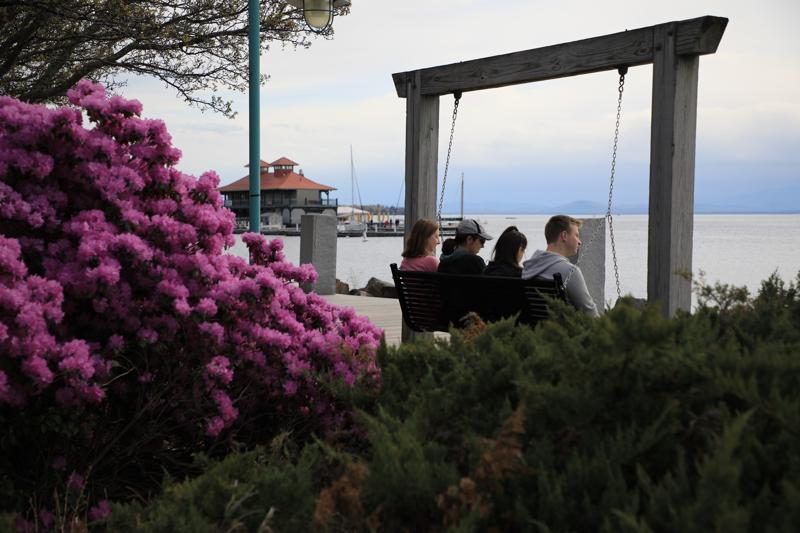
Spring
Feel that warmth in the air? Spring starts as a feeling here. As Vermont’s signature green reawakens, cool mornings give way to warm afternoons. This is the season that taught Vermonters the art of layering.
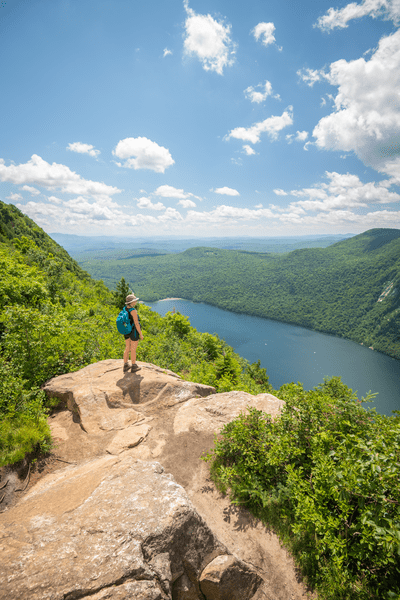
Summer
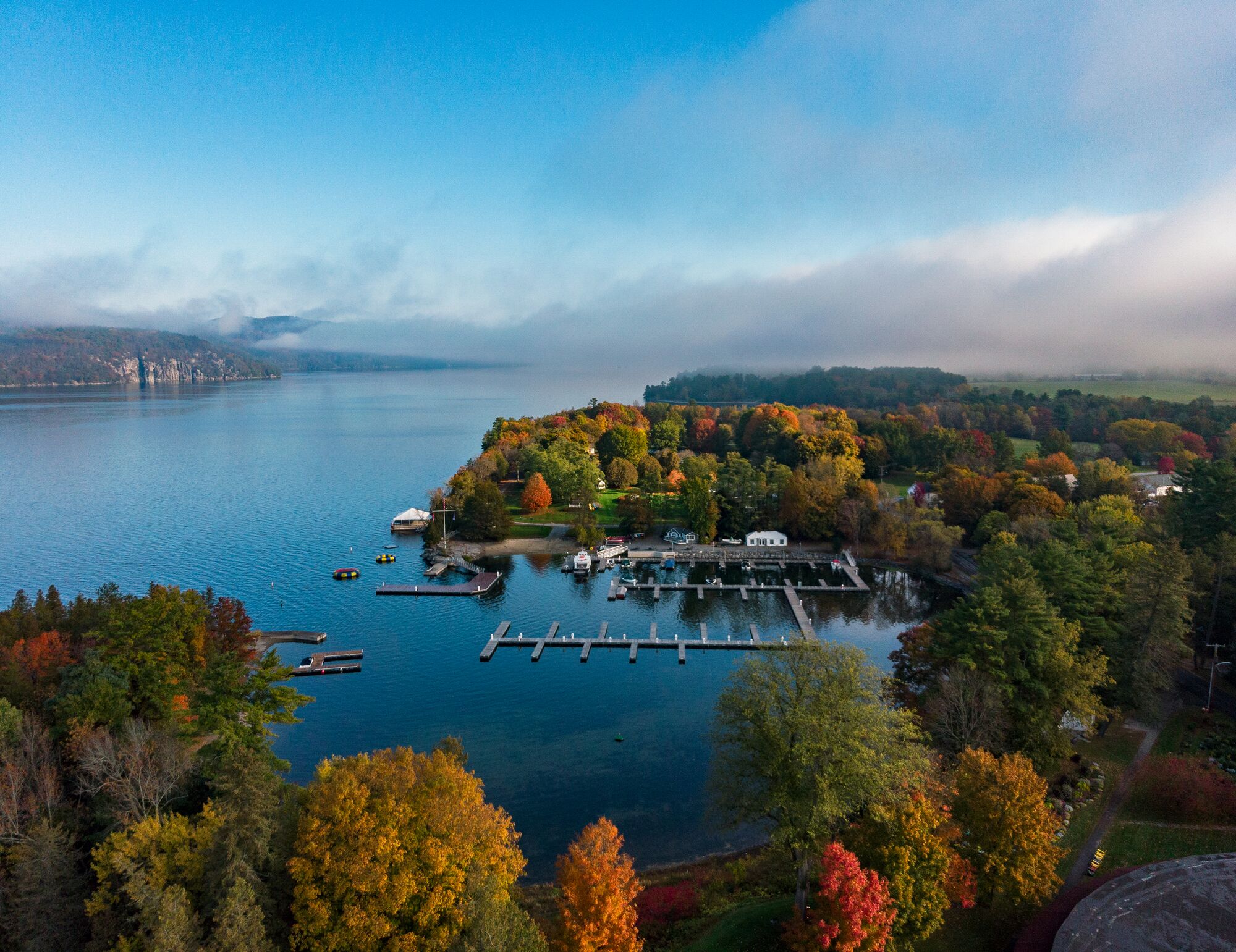
Summer light lingers here. More daylight means more time. You could take the long route and stop for a creemee; you’d still be back in time to catch the sunset. Summer days have space for mornings on the trail, afternoons on the lake, and evenings by the fire. Summer here is unhurried, meant to be savored one long, golden day at a time.
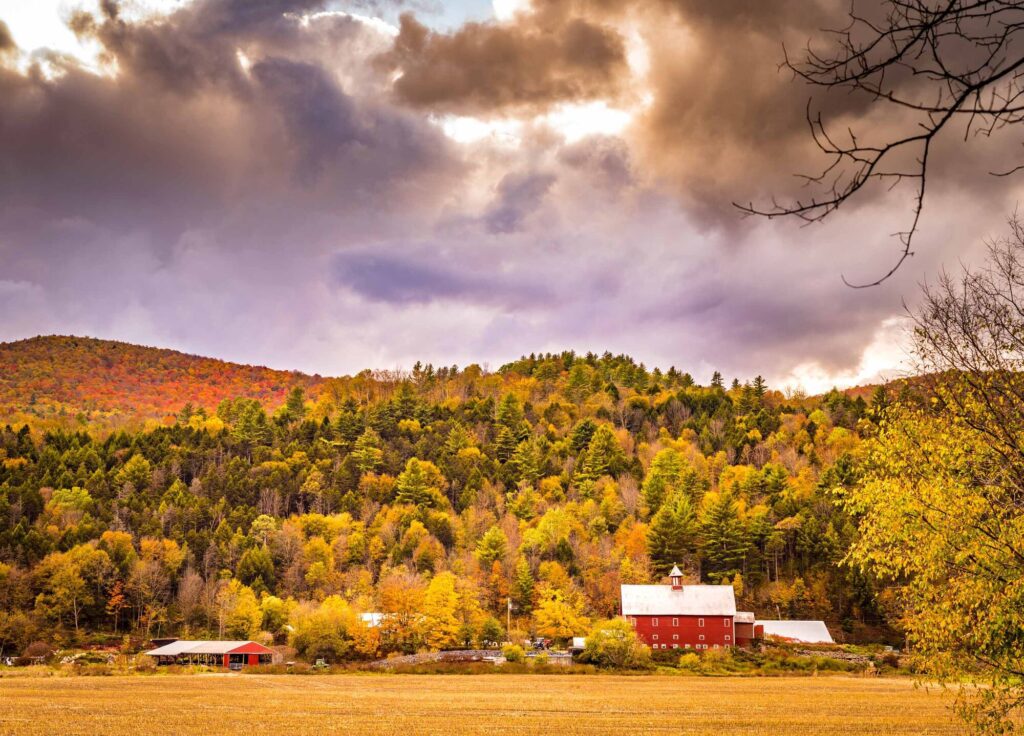
Fall
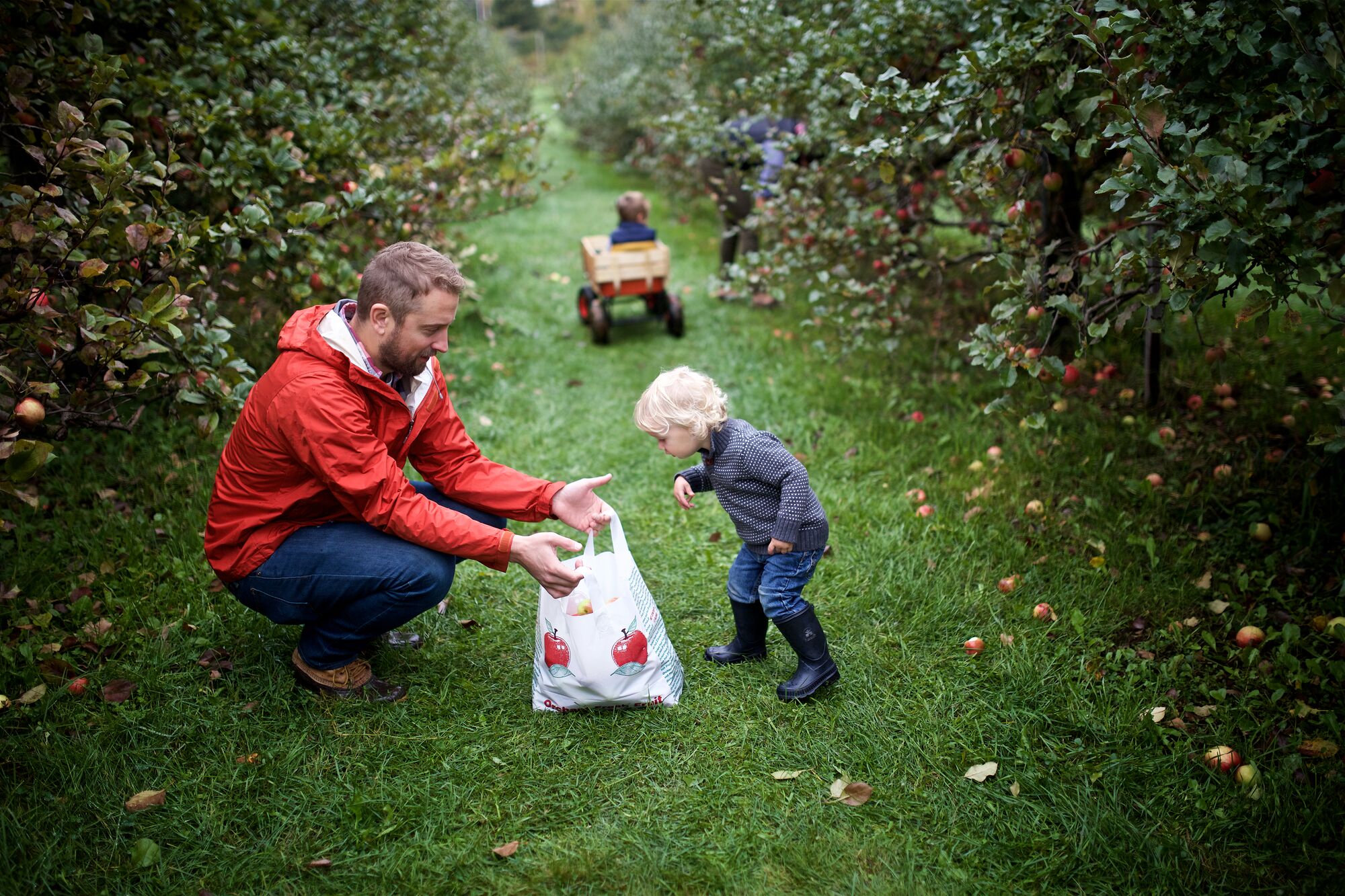
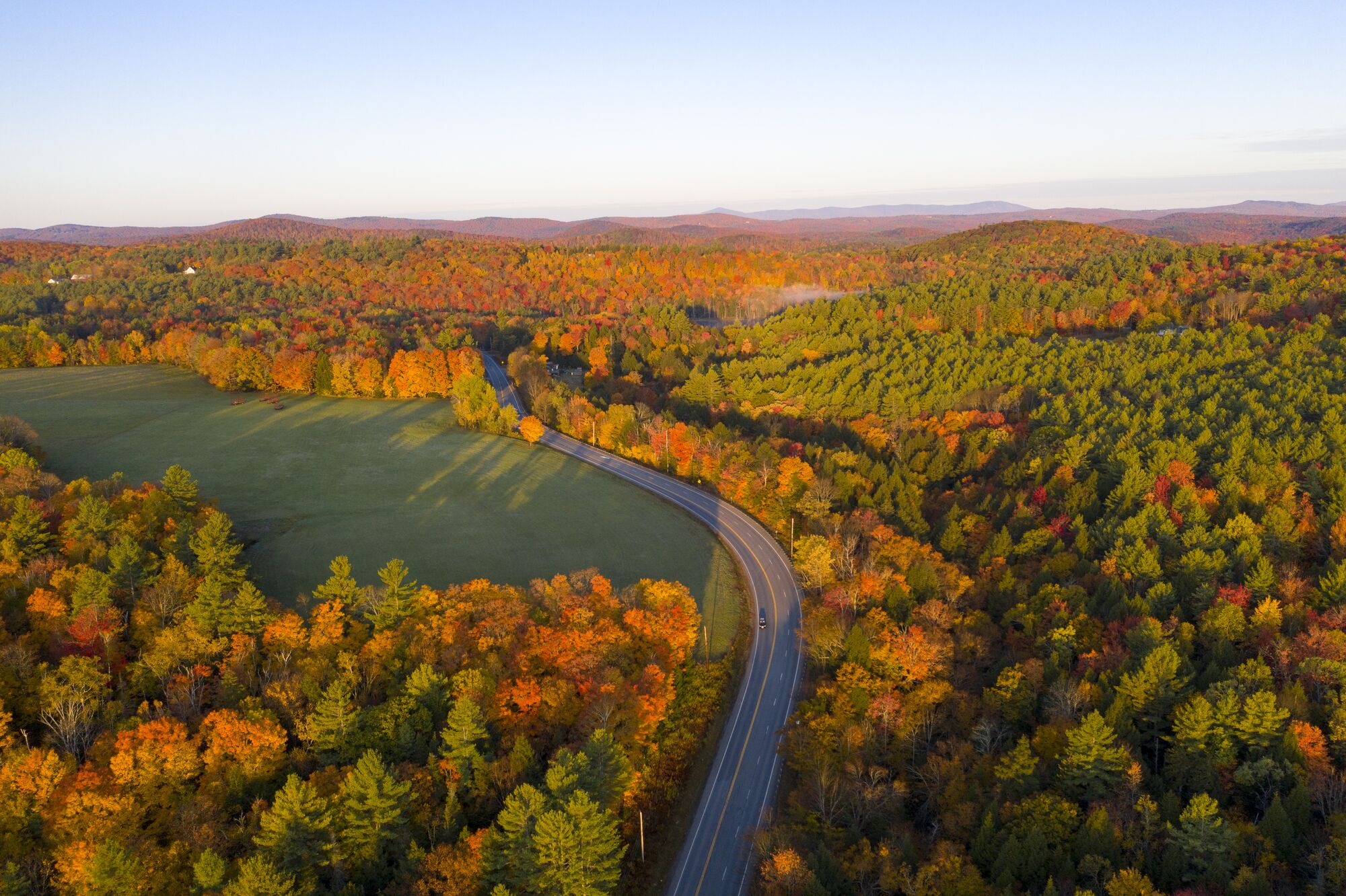
78 percent. That’s how much of Vermont is forested. We have the highest concentration of maple trees in the country, so fall here is golden (and orange, and red.) You don’t have to look far to take in the foliage – usually, you can just look up. Every drive is a scenic route. The air is crisp, the evenings cozy — it’s nature showing off.
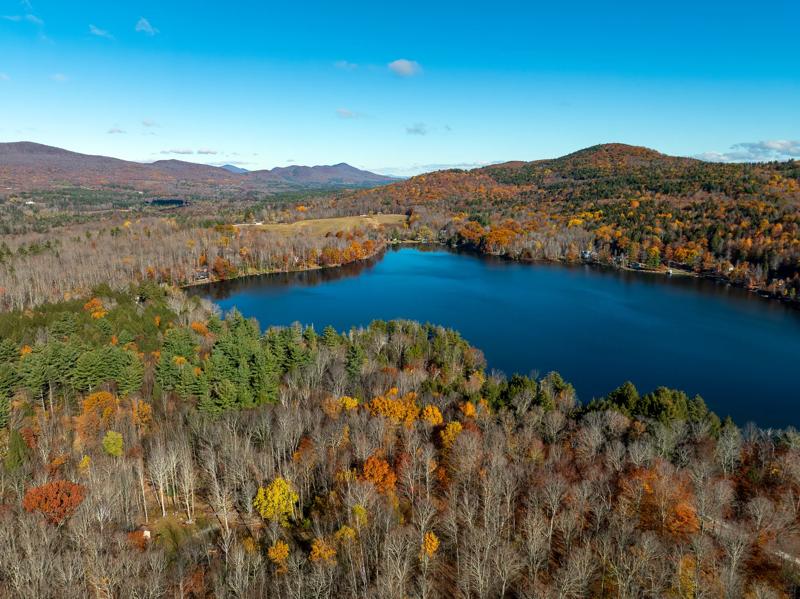
Stick Season
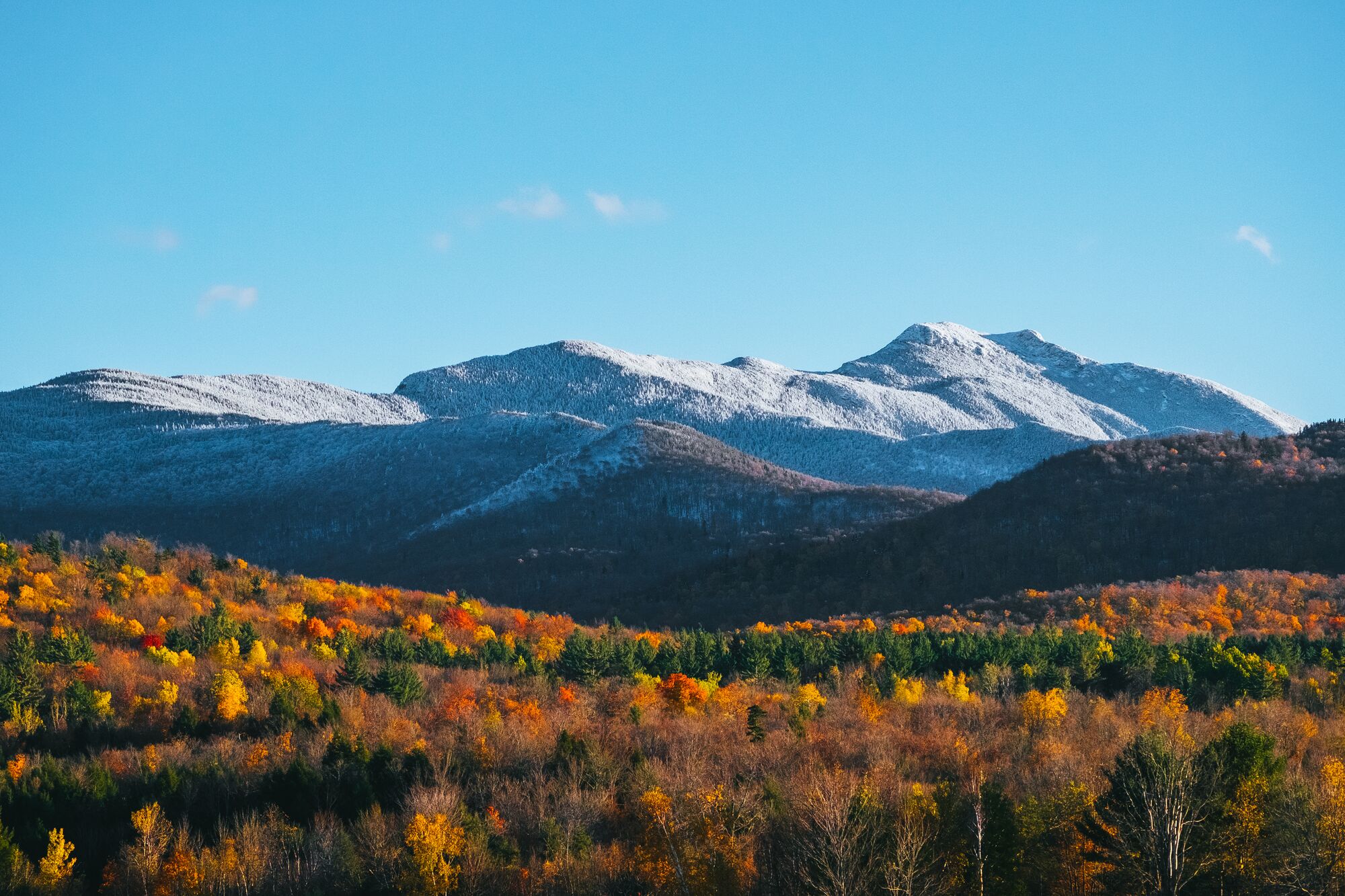
We’ve heard the song. It’s a season, too. Stick season gets its own name in Vermont. It’s a quieter period between fall foliage and winter. Sunlight filters through branches. Leaves crunch under your step. It’s typically when we see the first snowfall. Its beauty is unexpected, often showing up right under your feet.
Winter
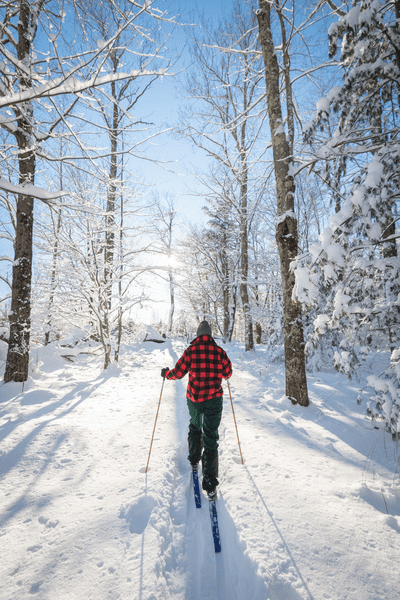
The air is cold, but Vermont’s warmth is unmistakable. Someone starts up a conversation on the chairlift. Snow-covered downtowns look straight out of a snow globe. Peaceful trails in a forest glisten in the sun. Winter is a wonderland, exclaiming itself in the quiet sound of snow falling.
Maple season
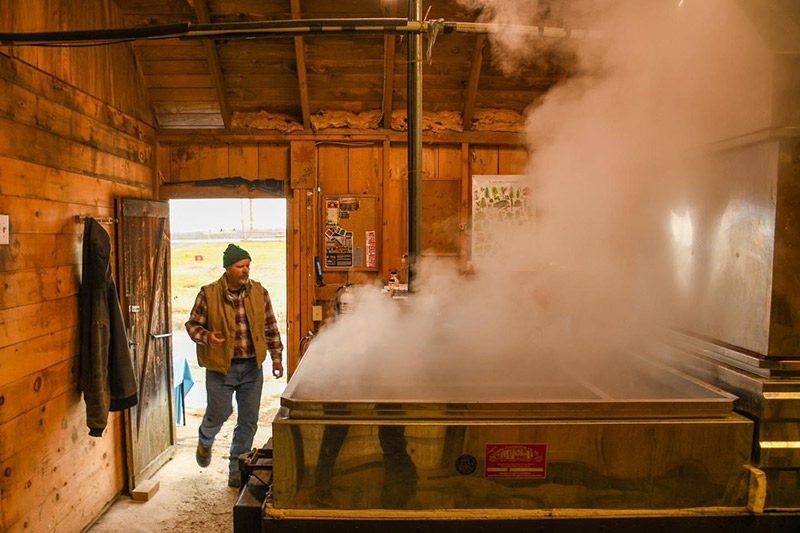
As the snow begins to thaw, steam rises from sugarhouses. Maple season is the time of year when warm days and cold nights trigger the flow of sap in maple trees. Sugar makers spend days collecting sap and nights boiling it into pure maple syrup. The air fills with the sweet scent of maple during this time between winter and warmer spring days.