

Weekly Foliage Tracker
Prepared by the Vermont Department of Forests, Parks and Recreation
Each week during September and October, a team of foresters report on the progression of Vermont’s renowned fall foliage throughout the state.
Sign up for the email list below to also receive fall foliage travel planning resources, including itineraries, events, attractions, and more ways to experience the season.
WEEK 4, OCT. 7, 2026
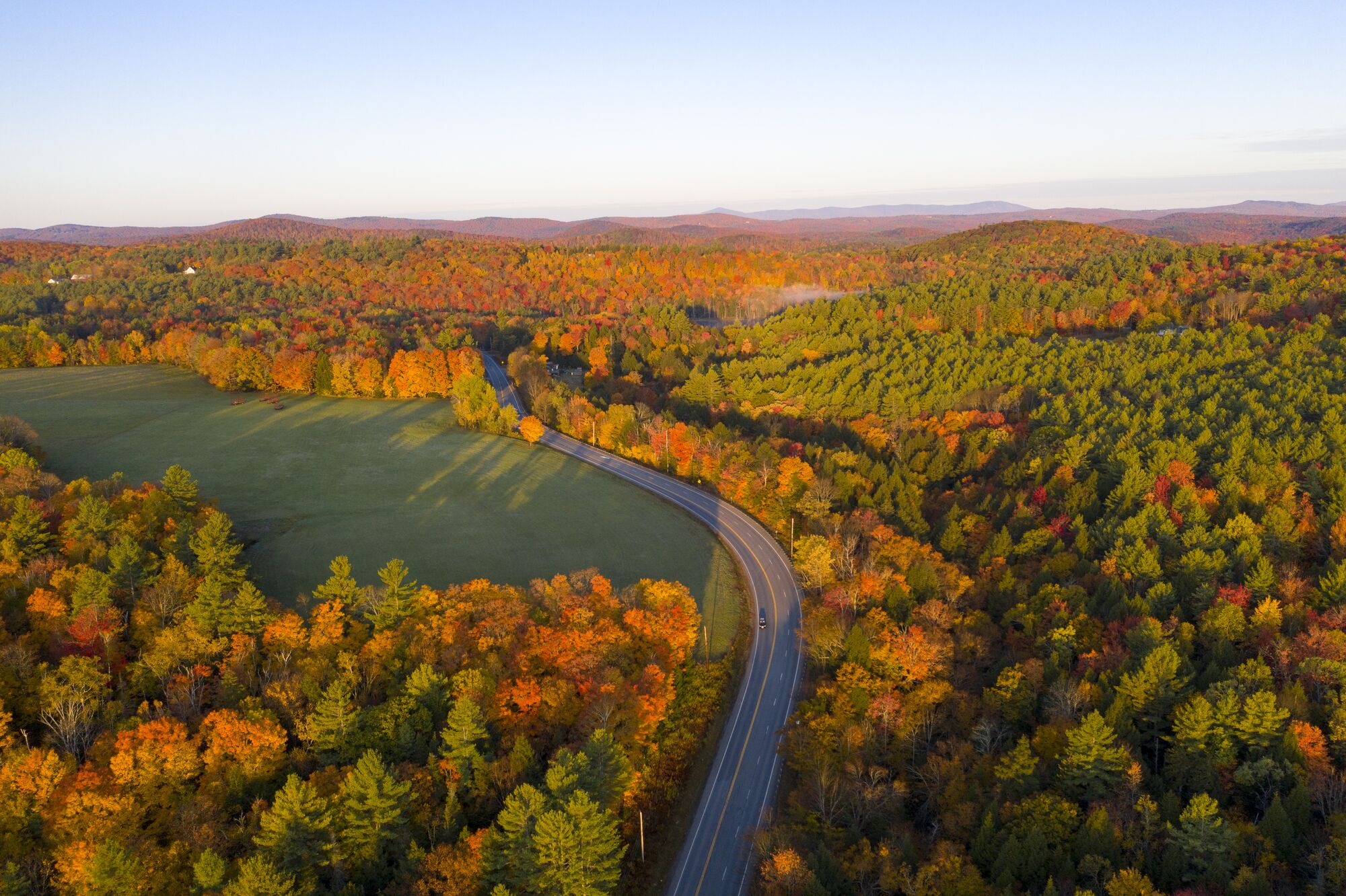
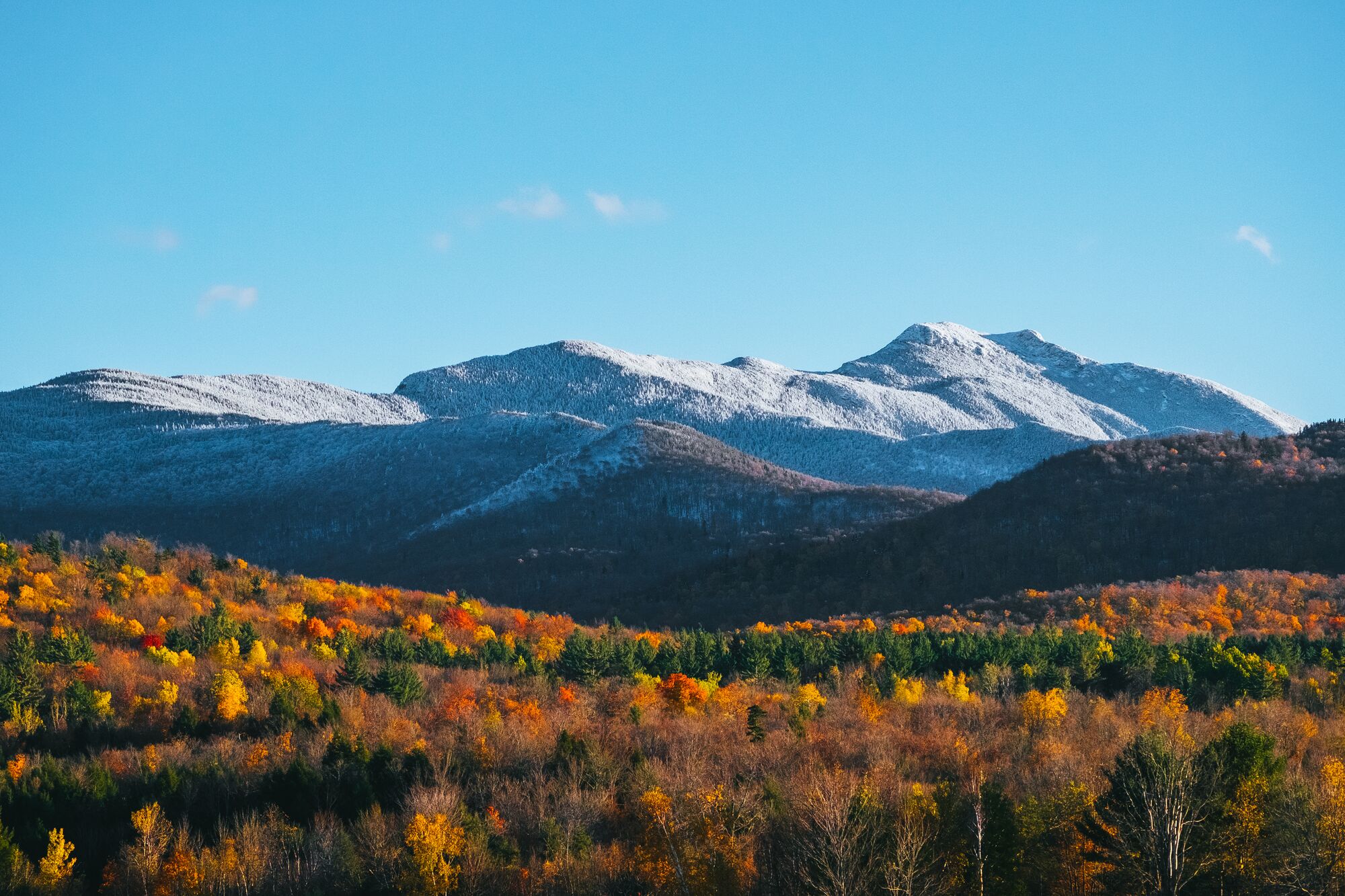
Peak foliage is upon us across the state! In the last week, trees in the southern regions have come alive, while foliage up north is still incredibly vibrant. The sunny days and cool nights have produced bright reds and oranges across the hillsides, resulting in gorgeous scenery while traveling through Vermont. While regions like the Stone Valley and Deerfield Valley have had scattered fall color in recent weeks, these areas are now full of brilliant color. With great weather in the forecast this weekend, it’s a great time to be anywhere in Vermont right now for foliage viewing.
Best bets: Southern and central Vermont are great areas to visit right now, with regions such as the Lower Connecticut River Valley and The Shires putting on a show. Trees in northern areas that have had fall color for weeks now are still hanging onto those leaves and the red maples look incredible. Traveling along The Crossroad of Vermont or Molly Stark scenic byways should produce a beautiful range of colors throughout the drive, as would a drive from from Killington to Rutland on Route 4, with the option to continue on Route 4a to Fair Haven.
Past Foliage Reports
Throughout Vermont, fall foliage season is underway. Many roadside trees, or those growing in wet areas, are showing a mix of yellows, oranges, and reds. Trees in the Northeast Kingdom region currently have the most fall color in the state, with the Upper Green Mountains and Capital Region starting to turn as well.
The colder climate and dry conditions in the NEK have allowed foliage to start the breakdown of chlorophyll and reveal the yellows and oranges present underneath (they’re present all year, but masked by the green chlorophyll.) Vibrant scarlet hues are showing up on red maples in the area, with sugar maples and ash species showing off with fiery oranges and yellows.
All around the state, we are seeing a swath of areas showing some degree of fall color. It’s a great time to get out and explore, particularly with a good weather forecast for Saturday around the state.
Best bets: The Northeast Kingdom is a great spot to see fall color this weekend. A drive along the Northeast Kingdom Byway would provide plenty of opportunities to see full displays of fall color, as would hikes in Groton State Forest or Maidstone State Park. Although not as far along as the NEK, driving the Green Mountain Byway is always beautiful and pops of color are sure to be visible.
Fall color isn’t quite at peak yet, but it is developing nicely across more areas of the state. The Northeast Kingdom (NEK) still shows the most color. Foliage in Northwest Vermont and the Champlain Islands has started to take on more autumnal hues this week. Color is starting to spread throughout the state, with reports of brilliant reds coming in from the Okemo Valley. The sunny days and cool nights we’ve had over the last week are the perfect conditions for leaves to showcase their oranges, yellows, and reds. Expect to see some areas lighting up with color this weekend. We are still in the “Tracking Foliage” stage throughout Vermont, with some sections of the NEK approaching “Presumably Peak” in the coming days.
Best bets: The Northeast Kingdom is still the spot to see the most fall color this weekend. A drive along Route 232 through Groton State Forest would offer beautiful views, as would exploring areas around Maidstone and Brighton. With the slopes of the Green Mountains starting to fill in with color, drives along Route 15 from Jericho through Hyde Park or Route 12A from Northfield to Randolph are sure to be scenic.
Peak fall color is just around the corner for many parts of Vermont. With nighttime temperatures dropping and recent sun-filled days, the red leaves are showing up more and more. The red leaves we see (anthocyanins) are generated in response to these environmental cues, whereas the yellow and orange leaves are masked all year until the green chlorophyll begins to degrade. You can see this increase in red foliage through many parts of the Upper Connecticut River Valley and White River Valley. Areas further north (Northeast Kingdom, Upper Green Mountains, and the Capital Region) have had great color for at least a week now as they approach peak. Some hillsides in southern Vermont have fall color in pockets, but color should start progressing this week. With a sunny forecast for the weekend, it’s a great time to explore the variety of fall colors across the state.
Best bets: Northern Vermont looks outstanding right now. The Northeast Kingdom is at peak, with the Green Mountains and their foothills fast approaching the same. The drive along US 302 from Barre to the New Hampshire border is gorgeous right now. Hikes in Worcester, Belvidere, and Groton will have great foliage on the trails and the bonus of stunning lookouts this weekend with the sunny forecast.
Meet Vermont Foresters
Forester Mark Raishart
Forester Mark RaishartForester Joanne Garton
Forester Joanne GartonForester Rick Dyer
Forester Rick DyerForester Tessa McGann
Forester Tessa McGann